

Switchgear Supply Companies: 10 Reliable Ways to Save Power
In the modern industrial era, where every watt of energy counts, switchgear supply companies play a crucial role in helping industries achieve energy efficiency and reliability. These companies provide the electrical backbone that ensures uninterrupted power distribution, system safety, and efficient energy management.
Whether you manage a manufacturing facility, a power plant, or a commercial building, understanding what switchgear supply companies do, how their solutions work, and why they’re vital for saving power is key to optimizing your operations.
What Are Switchgear Supply Companies?
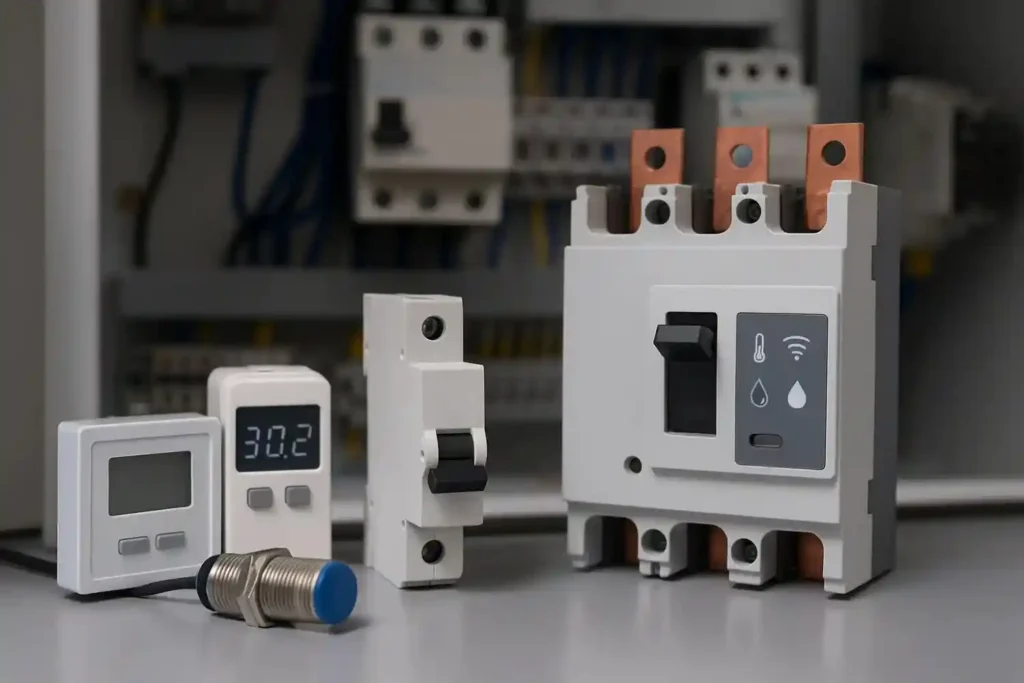
Switchgear supply companies are specialized firms that design, manufacture, and distribute electrical switchgear systems — essential components used to control, protect, and isolate electrical circuits. Switchgear includes equipment like:
- Circuit breakers
- Fuses
- Busbars
- Disconnect switches
- Protective relays
- Current and voltage transformers
These elements ensure the safe operation of electrical systems by automatically isolating faulty sections, preventing overloads, and maintaining power flow across networks.
How Do Switchgear Supply Companies Help Save Power?
Switchgear companies contribute to power savings through innovation, smart technology, and optimized design. Below are the 10 most reliable ways they help industries minimize energy loss and improve performance.
1. Energy-Efficient Designs and Low-Loss Components
Leading switchgear manufacturers design systems using low-resistance materials and high-efficiency conductors to minimize heat loss. Energy-efficient switchgear reduces I²R losses, ensuring more power is delivered to where it’s needed, rather than lost as heat
2. Advanced Load Distribution
Proper load distribution prevents overloading and optimizes electrical usage. Modern switchgear panels automatically balance loads across circuits, ensuring no system is overburdened.
3. Integration of IoT and Smart Monitoring Systems
Digital transformation has reached the power sector too. IoT-enabled switchgear provides real-time data on energy usage, load behavior, and potential faults. Facility managers can access dashboards to analyze energy trends, allowing for predictive maintenance and immediate action against inefficiencies. Smart switchgear solutions often reduce overall power consumption by 10–15% through optimized control.
4. Regular Maintenance and Condition Monitoring
Energy efficiency depends on consistent performance. Switchgear suppliers that offer preventive maintenance services help avoid losses due to poor contact resistance or insulation breakdown. Techniques like infrared thermography, contact testing, and partial discharge monitoring ensure systems remain in peak condition — saving both energy and repair costs.
5. Upgrading to Modern Circuit Breakers
Old, outdated breakers consume more energy and pose safety risks. Upgrading to vacuum or SF₆ circuit breakers reduces arc losses, shortens fault-clearing time, and maintains voltage stability. Modern switchgear panels also integrate solid-state relays, which enhance switching precision and lower power wastage.
6. Modular and Scalable Switchgear Systems
Industries evolve — and so should their power systems. Modular switchgear solutions allow scalability without full replacement. This approach minimizes downtime, installation waste, and energy use during upgrades. Many switchgear companies design compact modular systems for data centers, oil & gas, and infrastructure projects that demand both efficiency and flexibility.
7. Minimizing Transmission Losses
Switchgear companies use high-conductivity busbars, optimized enclosure design, and silver-plated contacts to minimize transmission losses. Reduced impedance across circuits means energy flows more efficiently — saving significant power over time, especially in high-load industrial networks.
8. Power Factor Correction (PFC) Integration
A low power factor increases reactive power consumption, leading to utility penalties.
To combat this, switchgear manufacturers integrate capacitor banks and automatic power factor correction units within panels. This helps maintain power factors close to 1.0 — improving voltage regulation and reducing apparent power demand.
9. Seamless System Integration and Automation
Switchgear suppliers provide turnkey integration services — connecting switchgear systems with SCADA and DCS automation platforms. This creates unified control over energy flow, reduces redundancies, and optimizes performance across the power network. Automation also allows remote control and monitoring, enabling smarter energy management and fewer manual errors.
10. Sustainable and Eco-Friendly Manufacturing Practices
Sustainability is becoming a top priority. Many switchgear companies now manufacture eco-conscious products — using recyclable materials, lead-free soldering, and alternative gases to SF₆ (like g³ gas).They also follow ISO 14001 environmental standards and promote energy-saving switchgear for renewable energy projects.
Conclusion
In today’s rapidly advancing electrical industry, switchgear supply companies play a critical role in ensuring efficient power management and operational safety. By adopting modern technologies, energy-efficient components, and smart monitoring systems, businesses can significantly reduce power losses, enhance system performance, and achieve long-term sustainability. Whether it’s through advanced circuit protection, intelligent load management, or precision-built accessories, investing in the right switchgear solutions ensures both reliability and savings